UMID ID Application 2026: How to Get Your SSS ID (It’s Now the MySSS Card)
SSS no longer points new applicants to the UMID. Here’s how the MySSS Card works, which banks issue it, what it costs, and where you can get one printed on the spot.
Sourced from SSS’s official MySSS Card announcement (October 1, 2025) and card page, RCBC DiskarTech’s own FAQ, and news reports on the partner-bank rollout, verified October 2026.
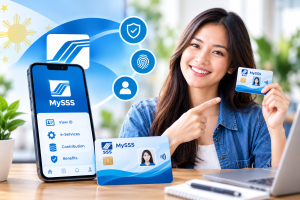
If you’ve been searching for how to apply for a UMID or an SSS ID, here’s the first thing to know: SSS now issues something different. In October 2025, SSS launched the MySSS Card, which SSS says replaces the UMID. It’s both your official SSS ID and a working debit card. Here’s how it works, who can get one, what it costs, and the details most guides skip.
Can You Still Apply for a UMID?
SSS describes the MySSS Card as an official ID “replacing the long-standing UMID card.” We found no official SSS page offering a new UMID application route, and secondary guides report that SSS is no longer issuing new generic UMID or UMID Pay cards. If a guide or Facebook page is still telling you to book a UMID appointment, check it against SSS’s own MySSS Card page first.
If you already have a UMID, you don’t need to do anything. SSS says all previously issued cards, including the UMID, remain valid. You’d only apply for a MySSS Card to replace a lost or damaged card, or if you want the debit function.
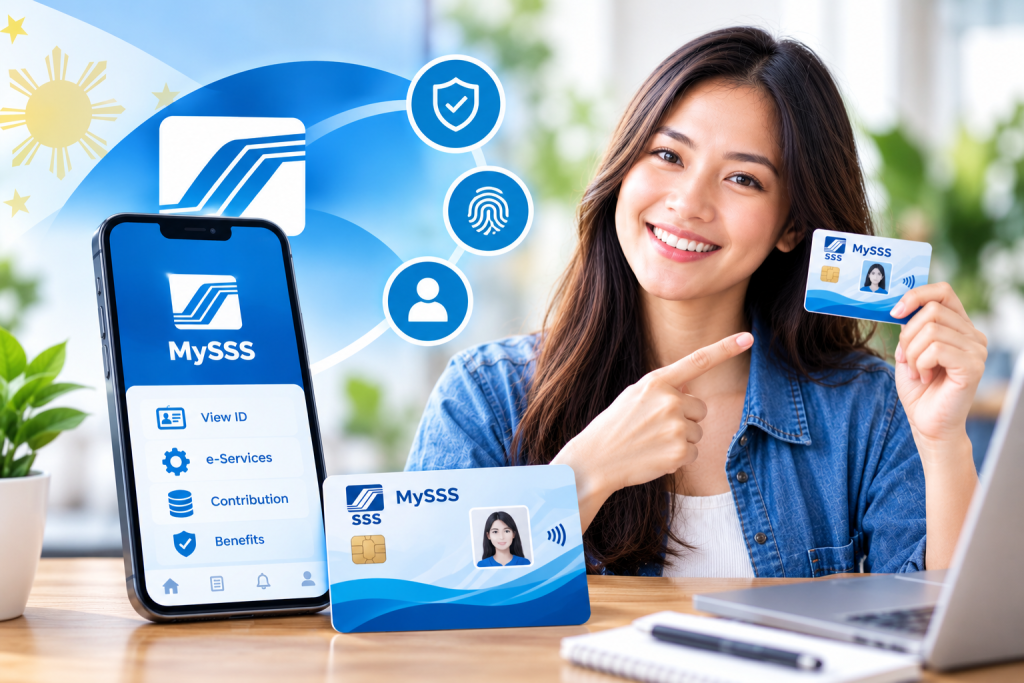
What the MySSS Card Is
- An official SSS ID with an EMV chip, linked to National ID (PhilSys) verification and biometric authentication
- A working debit card tied to a savings account at a partner bank
- A card you can use for shopping, public transport fares and online purchases, per SSS’s announcement
- Your automatic main disbursement account for SSS benefits, loans and pensions. You don’t need to enroll it in DAEM separately
One caution from SSS itself: the MySSS Card is valid for SSS transactions, but other government agencies and private institutions aren’t required to accept it as an official ID. The National ID (PhilSys) is the primary official ID. Don’t assume it replaces the UMID’s wider acceptance at banks and other offices.
Who Can Apply and What You Need
The card is open to SSS members, pensioners, individual claimants, beneficiaries and representative payees who have:
- A permanent SS number
- An active My.SSS account with updated personal details, including your local address, mobile number and email
- A registration under the National ID system (PhilSys). SSS’s page says your name and date of birth must match in both your SSS and National ID records
If you’re not yet registered for the National ID, that’s your first step, since it’s a hard requirement.
Which Banks Issue It (and the Conflict in the Sources)
The card is issued only through SSS partner banks. Here’s what we could confirm as of this writing:
- RCBC (through DiskarTech): first bank, live since October 1, 2025
- EastWest Rural Bank: joined in March 2026, aimed at bringing the card closer to rural areas
- AUB (through HelloMoney): rollout reported from late May 2026
- China Bank and UnionBank: SSS said they would follow. We found no confirmation that either is live yet
SSS’s own card page is out of date, still calling RCBC the “first partner” with other banks to follow. Some third-party guides list more banks as available than we could confirm. Before you start, check inside My.SSS which banks it currently offers you.
How to Apply: Two Steps
Step 1: In My.SSS
- Log in, then go to Services and select MySSS Card.
- Confirm your personal details.
- Consent to National ID verification and complete the facial scan. SSS uses your National ID photo, so no branch biometrics are needed.
- Choose your partner bank and agree to data sharing.
Step 2: With the bank Open your account through the bank’s app or at a branch, verify, and pay any fees. SSS’s page says an application can be cancelled if the bank’s fee isn’t paid within its timeframe. Cards are delivered within 15 working days in Metro Manila and 20 working days elsewhere after your account is opened.
If you choose RCBC DiskarTech: your My.SSS application gives you a MySSS Card Transaction Number (TRN). You download the DiskarTech app, register as an “SSS Member” using that TRN, complete ID verification, then request the physical card in the app.
What It Costs
Fees depend on the bank, and SSS’s page says your chosen bank may charge one:
- RCBC DiskarTech: its own FAQ lists a ₱200 card fee, deducted from your DiskarTech account when you request the physical card. Launch-period coverage described the card as free for a promotional window, so confirm the current fee
- AUB: a reported one-time ₱250 fee, with no annual, dormancy or maintaining-balance fees
Good to Know Before You Apply
- One card, one bank. SSS’s page says switching banks means closing your existing account first.
- UMID ATM/Pay Card holders: RCBC lists having an existing UMID ATM/Pay Card enrolled in SSS as a disqualifier, so check your situation first.
- Existing DiskarTech users: earlier requirements said you couldn’t have an active DiskarTech account. An April 2026 report says existing users can now upgrade and apply in-app, so this may no longer apply.
- It connects to your loans. If you pick RCBC DiskarTech, you can also use it for SSS LoanLite once you have a TRN, without waiting for the physical card. See our [SSS LoanLite guide].
What We Couldn’t Confirm
- Whether the MySSS Card shows a CRN the way the UMID did. If a form requires one, ask SSS
- How OFWs abroad apply. SSS requires a local address, but its page doesn’t explain how this works for overseas members
- An official statement that UMID applications have ended, beyond SSS describing MySSS as the replacement
FAQs
For the MySSS Card, the process runs through My.SSS and your partner bank’s app or branch. We found no paper application form.
SSS says 15 working days in Metro Manila and 20 outside, counted after your bank account is opened.
SSS says other agencies and private institutions aren’t required to accept it. The National ID is the primary official ID.
You need to be registered in the National ID system, and your name and birthdate must match your SSS record.
No. SSS says previously issued cards remain valid.
Related guides: SSS Number vs. CRN vs. UMID: What’s the Difference? · SSS LoanLite: The New Microloan · SSS Salary Loan: Complete 2026 Guide · How to Register for My.SSS Online